
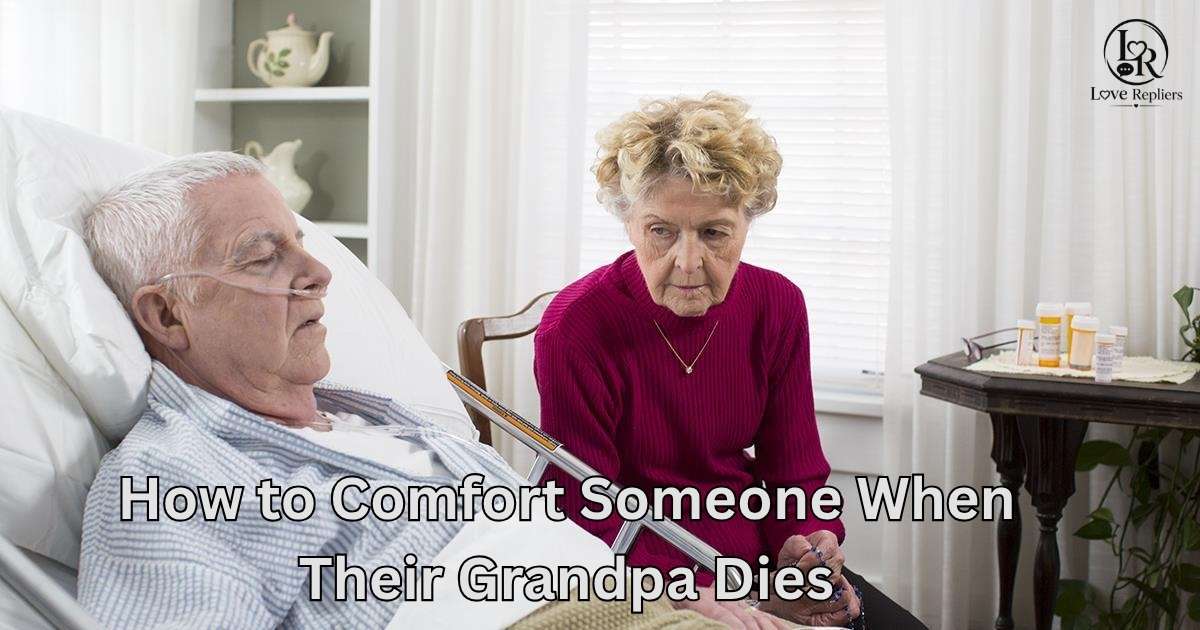
How to Comfort Someone When Their Grandpa Dies: When someone loses their grandpa, the most important thing is to offer gentle, sincere support without trying to fix their grief. Let them know you are truly sorry for their loss and that you are there for them whenever they need to talk or simply sit in silence. Use calm, comforting words like “I’m here for you” or “I can’t imagine how hard this must be,” and avoid clichés that may feel insensitive. Small acts of kindness, such as checking in, listening patiently, or helping with daily tasks, can provide real comfort during such a painful time.
Trending Today : 250+ Good Morning Letters for Her to Melt Her Heart
Heartfelt Ways to Comfort Someone When Their Grandpa Dies
Sharing Memories with Care
- Gently share positive memories about their grandpa if you also knew him, focusing on his kindness and good qualities.
- Encourage them to talk about their favorite moments with him, allowing them to express their feelings freely.
- Listen attentively without interrupting, showing that their memories matter and are respected.
- Avoid correcting or minimizing their emotions while they are sharing their grief.
- Acknowledge how special their bond with their grandpa was and validate their feelings of loss.
Offering Quiet Companionship
- Simply being present with them can provide more comfort than many words.
- Sit with them in silence if they are not ready to talk, showing support through presence.
- Offer a calm and safe space where they can express emotions without judgment.
- Let them know you are available anytime they need company or support.
- Small gestures like sitting together, holding their hand, or staying nearby can bring reassurance.
Why These Comforting Methods Work
These methods work because they focus on empathy, presence, and emotional understanding. They help the grieving person feel supported without pressure or judgment.
Capturing the Empathetic Tone
An empathetic tone shows genuine care and emotional awareness. It helps the person feel understood and less alone in their grief.
Matching the Moment
Matching the moment means responding based on their emotional state and needs. It ensures your support feels appropriate and sensitive to their situation.
Timing for Impact
Offering comfort at the right time can make your support more meaningful. Being present during moments of sadness or silence often brings the most relief.
Avoiding Generic Comfort
Generic phrases can feel distant and less sincere during grief. Thoughtful, specific words show real understanding and emotional connection.
Personalizing Your Support
Personalized support considers the person’s relationship and memories with their grandpa. It makes your comfort feel genuine, meaningful, and deeply heartfelt.
Bonus Content: Extra Support Tips
Bonus Content: Extra Support Tips
3 Scenarios for Using Comfort Methods
- When they first hear the news of their grandpa’s passing, stay calm and simply offer your presence and support.
- During the funeral or memorial days, provide emotional strength by quietly staying beside them and helping where needed.
- In the days after the loss, continue checking in regularly, as grief often feels stronger once everything becomes quiet.
3 Tips for Crafting Your Own Comfort
- Speak honestly and gently, using simple words that come from the heart instead of rehearsed phrases.
- Focus on listening more than talking so they feel safe expressing their emotions.
- Offer consistent support, reminding them you are always available whenever they need you.
3 Comforts to Avoid
- Avoid saying “I know how you feel,” because grief is deeply personal and unique for everyone.
- Don’t rush their healing process or tell them to “move on” quickly.
- Avoid overly positive clichés that may feel dismissive, like “everything happens for a reason.”
Conclusion
In conclusion, comforting someone who has lost their grandpa requires patience, empathy, and genuine emotional presence rather than perfect words. Small acts of kindness, sincere listening, and consistent support can help ease their pain and make them feel less alone during such a difficult time. By being thoughtful and sensitive, you can provide real comfort that helps them slowly heal while honoring their loss and memories.
FAQs
What should I say to someone whose grandpa died?
You can say simple, heartfelt words like “I’m so sorry for your loss” or “I’m here for you if you need anything,” showing genuine care and support.
How do you comfort a grieving friend?
Be present, listen without judgment, and offer emotional support instead of trying to fix their pain or rush their healing process.
What should I avoid saying to someone in grief?
Avoid clichés like “everything happens to you for a reason” or “stay strong,” as they may feel insensitive or dismissive.
Is it better to talk or just be present?
Both can help, but often being quietly present is more comforting than speaking too much during intense grief.
How long does grief last after losing a grandparent?
Grief has no fixed timeline; it varies from person to person and can take weeks, months, or even longer to process emotionally.

Smith is a content writer and relationship-focused blogger at LoveRepliers.com, where he shares thoughtful insights on love, communication, and modern relationship advice. His writing style is simple, engaging, and aimed at helping readers express their feelings more clearly and confidently in everyday life.
He specializes in crafting heartfelt messages, reply ideas, and emotional expression guides that make it easier for people to communicate in meaningful ways. Through his work, Smith aims to make online communication more personal, relatable, and impactful.
When he’s not writing, Smith enjoys exploring creative storytelling ideas and studying how language influences emotions and relationships.