
Savage Replies When Someone Insults You Shut Them Down: When someone insults you, it can be tempting to react emotionally, but the most powerful response is often calm, confident, and controlled. Savage replies are not about being rude for no reason—they are about shutting down disrespect without losing your dignity. A well-timed comeback shows that you are not easily shaken and that you can handle negativity with intelligence and composure.
The key to “shutting them down” is to stay in control of the conversation. Instead of escalating conflict, a sharp but calm response can redirect attention back to their behavior or simply end the interaction on your terms. The goal is not to win an argument, but to protect your self-respect while making it clear that disrespect won’t be entertained.
Trending Today : 100+ Heartfelt Happy New Month Messages for Dad to Cheer Him
Why Is It Important to Know How to Reply to Insults?
Knowing how to reply to insults is important because it helps you maintain emotional control and protect your self-respect in difficult situations. People may insult others for attention, frustration, insecurity, or misunderstanding, and reacting without thinking can escalate conflict or damage relationships. A calm and thoughtful response allows you to stay composed instead of being pulled into unnecessary arguments.
It is also important because your response shapes how others perceive you. When you handle insults with maturity, confidence, or controlled wit, you show emotional intelligence and strength. This doesn’t mean ignoring disrespect every time, but rather choosing responses that protect your dignity and set clear boundaries. In many cases, the right reply can defuse tension, stop further disrespect, and keep you in control of the situation.
Savage Replies to the Insult | 35 Best Phrases to Use
Savage replies to insults are sharp, confident responses that shut down disrespect without getting dragged into unnecessary arguments. The goal is to stay calm, clever, and in control while making it clear that you won’t tolerate rudeness. These phrases are best used in situations where you want to defend yourself with wit and confidence rather than escalating conflict. Done right, they can end the conversation instantly and leave you looking composed and unbothered.
- “Thanks for your opinion 😌”
- “Did that make you feel better? 😏”
- “Noted… and ignored 😎”
- “I’ll take that as jealousy 😌”
- “You tried 😄”
- “Cool story bro 📖”
- “Keep talking, I’m bored 😴”
- “Is that all? 🤔”
- “Interesting assumption 🤨”
- “I don’t remember asking 😏”
- “That’s cute 🐣”
- “You good? Because I am 😌”
- “Bold of you to assume I care 😎”
- “Anyway…”
- “You sound upset 😬”
- “I’d explain, but I don’t have time ⏳”
- “Try again, maybe better this time 😄”
- “Was that meant to hurt? 🤷♂️”
- “Keep it coming, it’s entertaining 🎭”
- “I’ve heard worse from better people 😌”
- “You’re trying too hard 😬”
- “I’m not impressed 😏”
- “Okay, moving on 🚶♂️”
- “That’s your best shot? 😆”
- “Stay pressed 😌”
- “I’ll allow you to think that 😏”
- “Sounds like a you problem 🤷♀️”
- “Thanks for the feedback I didn’t ask for 😄”
- “I forgot to care 🤭”
- “You done? 😌”
- “Not my concern anymore 🚫”
- “Keep dreaming 💭”
- “I’d argue, but you seem busy being wrong 😏”
- “You’ll be okay… probably 😄”
- “I’m unbothered, as always 😌”
Tips to Consider Before Answering Any Insult
Before responding to an insult, it’s important to pause and think rather than reacting immediately. A quick emotional reply can often make the situation worse, while a thoughtful approach helps you stay in control. Understanding the context, the person involved, and your own emotional state can help you choose a response that protects your dignity and avoids unnecessary conflict.
8 Key Tips Before You Respond:
- Pause before reacting – Take a moment so emotions don’t control your reply.
- Understand the intent – Check if it was a joke, misunderstanding, or real insult.
- Assess the situation – Consider where it happened (public, private, online).
- Know your relationship – Your response should match how close you are to the person.
- Stay emotionally calm – Avoid replying while angry or upset.
- Think about consequences – Your words can either fix or worsen the situation.
- Choose your tone carefully – Stay respectful even if you’re firm.
- Decide if response is needed – Sometimes ignoring is the strongest answer.
Understand the Intent Behind the Insult
Try to figure out whether the insult was intentional, joking, or said out of frustration. Some comments are meant to provoke, while others may simply be misunderstood humor.
Consider the Setting
Think about where the insult happened—public, private, online, or in a professional space. The setting often determines how serious your response should be.
Evaluate the Relationship
Your response should depend on who said it. A close friend, coworker, or stranger all require different levels of seriousness and tone.
Stay Calm and Avoid Overreacting
Emotional reactions can escalate the situation quickly. Staying calm helps you think clearly and respond in a more controlled and respectful way.
Think About Your Goal
Decide what you want from the situation—resolution, distance, or simply to protect your peace. Your response should match that goal.
Be Aware of Your Tone
Even a simple reply can sound aggressive if your tone is wrong. Choose words that reflect confidence without unnecessary hostility.
Decide If It’s Even Worth Responding
Not every insult deserves a response. Sometimes ignoring it is the strongest and smartest reaction.
Focus on Keeping Your Dignity Intact
Always respond in a way that maintains your self-respect. Avoid saying things you might regret later just to “win” the moment.
When to Walk Away
If the situation becomes toxic, repetitive, or disrespectful beyond limits, walking away is often the best choice. Protecting your peace is more important than proving a point.
Common Insults and How to Handle Them Example ke saath
Insults can appear in everyday conversations, online chats, or even at work, and knowing how to handle them calmly is an important communication skill. Instead of reacting emotionally, it is better to respond in a way that protects your dignity and keeps you in control. A smart response often depends on understanding the type of insult and choosing whether to ignore it, deflect it, or reply with confidence and calmness.
Different insults require different handling styles. Some are meant to provoke, while others may come from misunderstanding or frustration. The key is to respond thoughtfully rather than impulsively. Below are some common insults with simple examples and effective ways to handle them:
- “You’re so slow.” → “I prefer being accurate over rushing mistakes.”
- “You don’t know anything.” → “I’m always open to learning more.”
- “You’re annoying.” → “Sorry you feel that way, I’ll give you space.”
- “Nobody likes you.” → “I focus more on meaningful relationships.”
- “You always mess up.” → “Everyone learns through mistakes, including me.”
- “You’re useless.” → “I know my value, and I’m improving every day.”
- “You’re too sensitive.” → “I just prefer respectful communication.”
Funny vs Serious Insults: How to Decide Your Reply
When dealing with insults, the first step is to understand whether the comment is meant as a joke or a serious attack, because your response should match the intent. Funny insults usually come from friends or casual teasing, where a light, witty comeback is acceptable. Serious insults, however, are meant to hurt, disrespect, or provoke, and they require a calmer, more controlled response that protects your dignity rather than escalating conflict. Knowing this difference helps you avoid overreacting in situations that don’t need seriousness and also ensures you don’t take real disrespect lightly.
Key Differences Between Funny and Serious Insults
- Intent – Funny insults are playful; serious insults are meant to hurt or offend.
- Context – Funny insults happen in casual settings; serious ones often occur in conflict or tension.
- Emotional Impact – Funny insults feel lighthearted; serious insults can affect confidence or emotions.
- Response Style – Funny insults allow humor or sarcasm; serious insults need calm, firm replies.
- Consequence – Funny insults usually end in laughter; serious insults may need boundaries or disengagement.
| Funny Insults 😅 | Serious Insults 😤 |
| Playful tone, smiling face | Harsh tone, angry expression |
| Happens among friends | Can come from anyone, anywhere |
| Easy to laugh off | Hurts your feelings deeply |
| Best reply: Humor comebacks | Best reply: Calm, firm boundary |
| No real harm intended | Meant to tear you down |
Savage Replies for Different Situations: Friends, Family, Office, Social Media
Knowing how to respond in different situations is important because the same savage reply does not work everywhere. With friends, humor and playful comebacks are often acceptable, while in family settings, responses should still be respectful even if firm. At work, professionalism is key, so replies must stay controlled and polite. On social media, where people often provoke others, the best savage replies are short, calm, and confident without escalating unnecessary drama.
🎯 Friends
Among friends, savage replies are usually playful and joking, meant to tease rather than hurt. The goal is to keep the fun going while showing confidence and wit.
- “Relax, I was just being iconic 😎”
- “You wish you had my problems 😏”
- “Talk to me when you level up 😂”
- “I’d agree with you, but then we’d both be wrong 😄”
👨👩👧 Family
With family, even savage replies should stay respectful and light because relationships matter more than winning arguments. The focus is on humor with boundaries.
- “Not arguing, just correcting 😌”
- “I hear you… but I’m still right 😄”
- “That’s your opinion, respected 👍”
- “I’ll pretend I didn’t hear that 😂”
💼 Office
In the workplace, savage replies should be subtle, professional, and calm to avoid conflict while still setting boundaries.
- “Let’s stick to facts, not opinions.”
- “I’ll take that as feedback, noted.”
- “I prefer solutions over comments.”
- “We can revisit this with data.”
📱 Social Media
On social media, savage replies are short, clever, and detached, often used to shut down negativity without engaging too much.
- “Thanks for the free engagement 😌”
- “Imagine being this invested 😏”
- “Not reading all that, but okay 👍”
- “Stay mad, I guess 😄”
| Situation | Sample Reply |
| Friends | “Keep talking. I always yawn when I’m interested.” 😂 |
| Family | “That’s your perspective. Mine’s different.” |
| Office | “I value constructive feedback, but that wasn’t it.” |
| Social Media | “Your caps lock doesn’t make you right.” 😎 |
Top Mistakes People Make While Replying to Insults
When people are insulted, they often react emotionally instead of thinking strategically, which can make the situation worse. A rushed or angry reply can escalate conflict, damage relationships, or make the person look less in control. Understanding common mistakes helps you respond more calmly, confidently, and intelligently, ensuring you protect your dignity while avoiding unnecessary drama.
7 Common Mistakes While Replying to Insults:
- Reacting immediately without thinking
- Responding with anger or shouting
- Taking every insult personally
- Using offensive language in return
- Trying too hard to “win” the argument
- Ignoring the context or situation
- Engaging in endless online arguments
How Humor Can Win Over Anger: Short Tips
Humor is a powerful tool for handling anger because it can break tension, shift focus, and prevent conflicts from escalating. When used wisely, a light or witty response can diffuse a heated situation and help both sides calm down. Instead of reacting with aggression, humor allows you to stay composed, protect your dignity, and sometimes even turn a negative moment into a more positive interaction.
Short Tips:
- Use light humor to break tension
- Avoid sarcastic jokes that may offend
- Stay calm before responding
- Read the mood of the situation
- Don’t mock the other person
- Use humor to redirect the conversation
- Know when to stop and stay serious
Body Language Tips When Replying: Showing Confidence
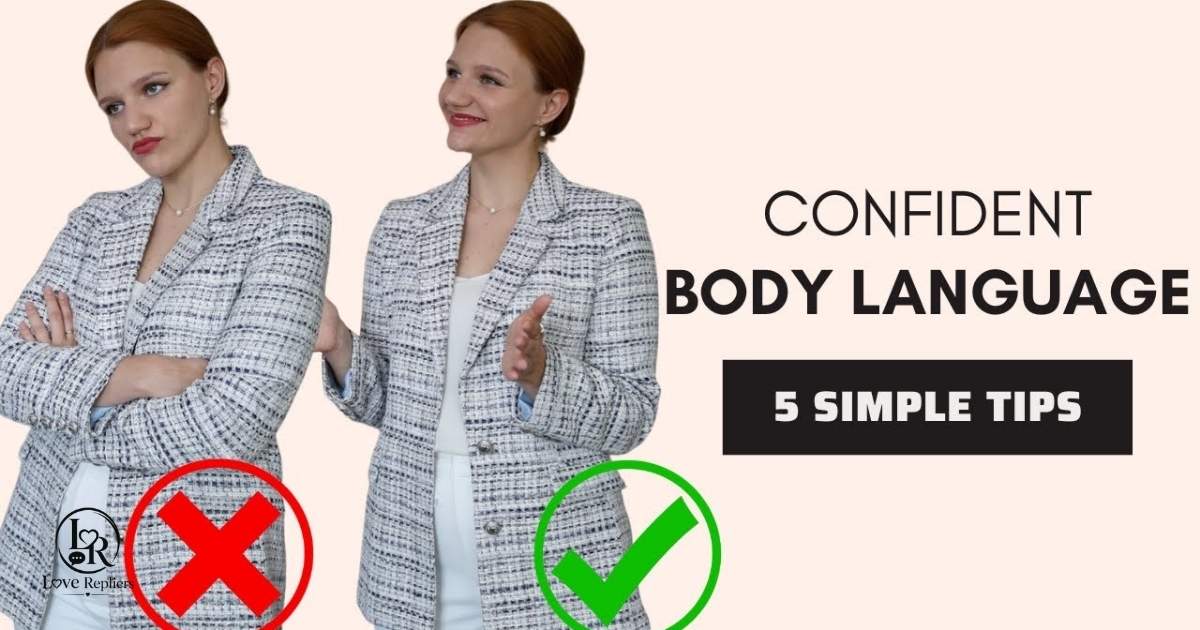
Your body language plays a big role in how confident your response appears, even more than your words sometimes. When replying—especially in tense or challenging situations—maintaining calm posture, steady eye contact, and controlled movements helps you project self-assurance. Confidence is not about being aggressive; it’s about staying composed and showing that you are comfortable and in control of yourself.
Body Language Tips:
- Maintain steady eye contact 👀
- Keep your posture upright and relaxed
- Avoid fidgeting or nervous movements
- Use a calm and steady tone of voice
- Keep facial expressions neutral or slightly confident 😊
Real-Life Examples of Savage Comebacks: Mini Stories
Story 1: Classroom Situation
During a class discussion, a student tried to embarrass another by saying, “You always get things wrong, don’t you?” Instead of reacting angrily, the student calmly replied, “At least I’m here to learn—what’s your excuse?” The class went quiet for a moment, then some students laughed. The comeback worked because it was confident, controlled, and didn’t escalate the insult.
Story 2: Office Environment
In a meeting, a coworker sarcastically said, “Wow, finally you said something useful.” Instead of getting defensive, the person smiled and said, “I try to match the level of the room.” The response was subtle but sharp enough to shut down further sarcasm while still staying professional. The atmosphere quickly shifted back to seriousness.
Story 3: Friends Hanging Out
Among friends, one person joked, “Bro, you’re so slow, even Wi-Fi beats you.” The other replied instantly, “Yeah, but I still load better than your personality.” Everyone burst out laughing. Since it was among friends, the savage comeback was playful and kept the mood fun rather than creating conflict.
Story 4: Social Media Comment
On a post, someone commented, “This is so cringe.” Instead of arguing, the creator replied, “And yet you stayed long enough to comment 😄.” The response was short, witty, and detached, which made the negativity lose its power. Other users even supported the creator, turning the situation in their favor.
Final Words
Handling insults and challenging conversations is not about being the loudest or the harshest—it’s about being the most composed and self-aware. Whether you choose humor, calm replies, or silence, your response reflects your emotional control and confidence. A well-thought-out reaction can protect your dignity, reduce conflict, and even turn negative situations into moments of respect or understanding.
In the end, the strongest reply is the one that keeps your peace intact. Not every insult deserves attention, and not every comment needs a comeback. When you choose your response wisely, you stay in control of the situation and maintain your self-respect, which is always more powerful than any quick insult or savage reply.
Frequently Asked Questions
What is the best response to someone who insults you?
The best response is calm and controlled. You can ignore it, set a boundary, or reply with a neutral line like “I don’t think that was necessary.” Staying composed shows more strength than reacting emotionally.
What to reply when someone tells you to shut up?
You can respond firmly but respectfully, such as “I’ll stop when I’m done speaking” or “Let’s keep this respectful.” This shows confidence without escalating the conflict.
What comeback do you use to completely shut down an argument?
A strong shutdown is short and calm, like “This conversation isn’t productive anymore” or “We can agree to disagree.” It ends the argument without further tension.
What is a good sentence for insult?
A good structured response to an insult could be: “I prefer respectful communication, so I won’t engage with that comment.” It maintains dignity and control.
How to give a rude reply?
It’s better not to be rude, but if you want to be firm, use assertive language instead of insults, such as “That’s not appropriate” or “I’m not interested in continuing this tone.”
How to shut down rude people fast?
The fastest way is to stay calm and not engage deeply. Simple replies like “Noted,” “Okay,” or simply walking away can end the interaction immediately.

Smith is a content writer and relationship-focused blogger at LoveRepliers.com, where he shares thoughtful insights on love, communication, and modern relationship advice. His writing style is simple, engaging, and aimed at helping readers express their feelings more clearly and confidently in everyday life.
He specializes in crafting heartfelt messages, reply ideas, and emotional expression guides that make it easier for people to communicate in meaningful ways. Through his work, Smith aims to make online communication more personal, relatable, and impactful.
When he’s not writing, Smith enjoys exploring creative storytelling ideas and studying how language influences emotions and relationships.